
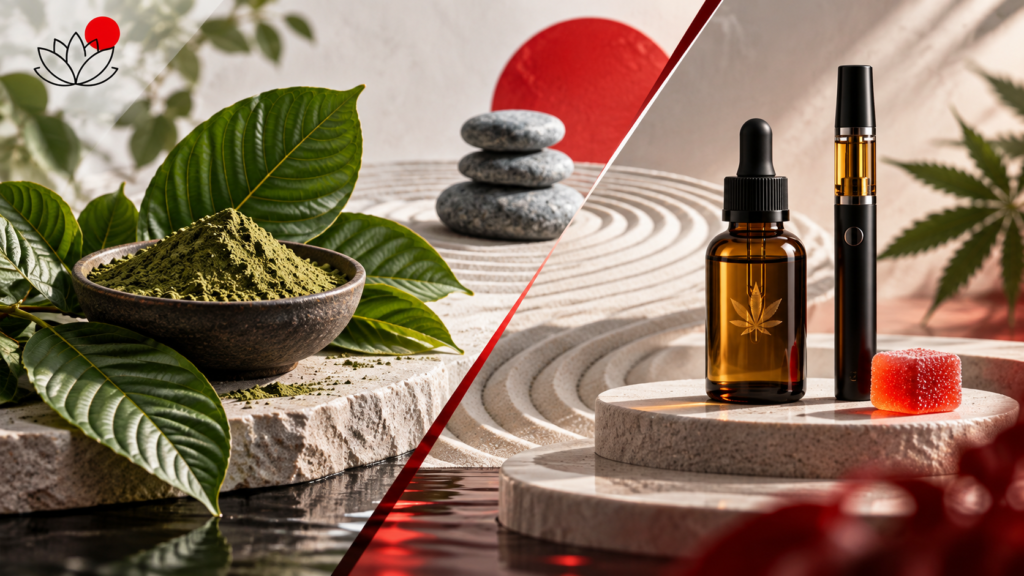
The products based on botanicals and cannabinoids (kratom and delta 8 THC) have become particularly popular over the last several years. The two have a unique experience and advantage; however, the origin, effects, uses, and regulation are quite different.
In this blog, we’ll take an in-depth look at the comparison of kratom vs delta 8, which will allow readers to realize what it is, its uses, benefits, and side effects, and how it compares to various purposes.
What Is Delta 8?
Delta 8 tetrahydrocannabinol (shortened to delta 8 or delta 8 THC) is a minor cannabinoid component of the hemp and cannabis plants.
Chemically close to more widely known delta 9 THC, which is the primary psychoactive element of marijuana, delta 8 provides a milder psychoactive stimulus because of minor variations in molecular structure.
Natural delta 8 is naturally occurring in such low amounts that most delta 8 products available commercially are synthesized by converting hemp-derived cannabidiol (CBD). The products include gummies, tinctures, vape cartridges, capsules, and creams.
Being also legally available in most territories thanks to the 2018 Farm Bill, delta 8 has gained in popularity, though it is not regulated on the federal level, which leads to safety and quality concerns.
Uses of Delta 8
Consumers use delta 8 for multiple reasons, including:
- Relaxation and stress reduction
- Mildly euphoric psychoactive effects
- Appetite stimulation
- Nausea and vomiting relief in some cases
- Sleep support for some users
- An alternative to delta 9 THC for a less intense experience
Delta 8’s versatility extends across oral, inhaled, and topical formats, appealing to users wanting the benefits of THC with attenuation of some of the stronger side effects of delta 9.
Delta 8 Benefits
Although scientific research is still limited, potential benefits noted from user reports and preliminary studies include:
- Neuroprotective properties with possible memory and cognition support
- Controlled, lighter psychoactive experience with reduced anxiety compared to delta 9 THC
- Appetite stimulation helps with dietary challenges
- Anxiolytic effects create calming sensations
- Possible mild immune system modulation
Its less intense nature compared to delta 9 THC makes delta 8 a favored choice for those sensitive to stronger cannabinoids.
Side Effects of Delta 8
Delta 8 is not without side effects. Some users report:
- Dry mouth
- Red or irritated eyes
- Increased heart rate or palpitations
- Dizziness or lightheadedness
- Drowsiness or sedation
- Anxiety or paranoia in higher doses
- Nausea or vomiting in some cases
Long-term safety is still poorly understood, compounded by unregulated manufacturing. Adulterated or contaminated delta 8 products pose additional risks. Usage should be cautious, starting with low doses and purchased from reputable sources.
Basics of Kratom?
Kratom is a tropical tree that originated in Southeast Asia. Its leaves are alkaloid-rich (mitragynine and 7-hydroxymitragynine), and can act upon the body in complex ways. Traditionally, kratom leaves were chewed or brewed to make teas that helped in stamina and well-being.
Today, kratom is utilized all around the world, mainly in powdered, capsule, or extract extraction, never delaying its specialties of effects which change with dosage.
Kratom Benefits
Kratom offers a range of applications, including:
- At low doses, it acts as a stimulant, enhancing energy and focus.
- At moderate to high doses, it can promote relaxation and a euphoric feeling.
- Users report its effectiveness in boosting motivation and alertness.
- Some utilize it as part of natural routines for managing transitions away from other substances.
Its complex alkaloid profile distinguishes kratom, giving it a diverse spectrum of effects not found in cannabinoids.
Comparing Delta 8 with Kratom
When deciding between kratom vs delta 8, consider the following key contrasts:
| Feature | Kratom | Delta 8 THC |
| Origin | Tropical tree leaves from Southeast Asia | Cannabinoid derived from hemp or cannabis |
| Primary Compounds | Alkaloids: mitragynine, 7-hydroxymitragynine | Delta 8 tetrahydrocannabinol |
| Effects | Dose-dependent stimulant or relaxant | Mild psychoactive with euphoric effects |
| Psychoactivity | Generally non-intoxicating at low doses; euphoria at high doses | Psychoactive, lighter than delta 9 THC |
| Consumption Forms | Powder, capsules, teas, extracts | Gummies, tinctures, vapes, capsules |
| Legality | Varies by state/country; often unregulated | Often federally legal if hemp-derived, but regulations differ widely |
| Side Effect Profile | Nausea, dizziness, constipation, rare severe effects | Dry mouth, anxiety, dizziness, and unknown long-term effects |
| Addiction Potential | Possible with prolonged high doses | Lower reported addiction potential, but dependency is possible |
| Safety & Quality | Unregulated market with risk of adulteration | Unregulated synthesis risks and impurities |
Kratom typically appeals to those who want effects with a clearer mind and increased alertness, whereas delta 8 targets users seeking a psychoactive experience that is less intense than traditional THC.
Choosing Between Kratom and Delta 8
Your choice may depend on:
- Desired Effects: For clear-headed energy and mood support, kratom’s alkaloids may be preferred. For a mild euphoric buzz and relaxation, delta 8 is likely a better fit.
- Legal Environment: Consider local laws, as kratom and delta 8 have differing legality across states and countries.
- Tolerance and Sensitivity: If you’re sensitive to the effects of cannabis, delta 8’s milder profile may offer a gentler experience.
- Risk Tolerance: Both products have risks, but delta 8’s synthetic production brings additional manufacturing concerns.
- Form Preference: Whether capsules, vapes, or teas fit your lifestyle and preferences.
Final Thoughts
Delta 8 THC and kratom are two examples with distinct offers on the growing market of botanical and cannabinoid supplements. Consciousness of their distinctions will enable consumers to make informed decisions to fit their demands, tastes, and the laws of the land.
Whether you go with the classic psychoactive effects linked to alkaloids or the mellow stimulating properties of delta 8, the best approach is to practice quality and safety and use responsibly.
More Resources
Comprehensive guide to kratom concentrates
Kratom Extract vs Powder: Deep Dive Comparison