
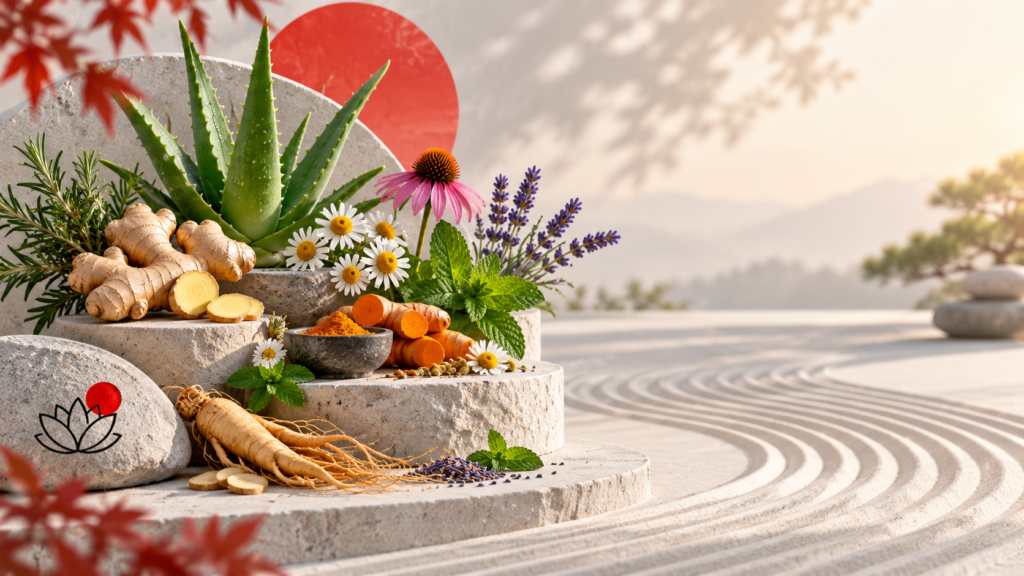
Medicinal plants have played a pivotal role in the health and well-being of people for thousands of years. Deriving its origins as part of humankind at large in the practice of traditional medicine everywhere in the world, the science has not abandoned the use of these botanicals, and indeed they continue to feature in modern health regimes and practices.
Medical plants have complex mixtures of naturally occurring ingredients, unlike synthetic medicines, which are based on single, isolated compounds, making them an extremely interesting choice to those who want natural health solutions.
In this blog, we’ll talk about some of the best medicinal plants in the current world, such as the well-known ginseng and turmeric, and also shine a spotlight on kratom, which has elicited interest due to its exceptional properties.
What Are Medicinal Plants?
Medicinal plants refer to those plants that have been found to have therapeutic potential, and they are usually used in folk medicine practices to promote health. Such plants possess bioactive components, alkaloids, flavonoids, terpenes, and phenolics that make up their varied action.
Traditionally, these plants were at the center of medicines within cultures, including Ayurveda, Traditional Chinese Medicine, and Native American healing, among many others. Such ancient uses are becoming increasingly confirmed by modern research, leading to the inclusion of herbal medicine in modern health care.
Why Choose Natural Herbs Compared to Synthetic Remedies?
While synthetic drugs are standardized and targeted, natural medicinal plants offer several unique advantages:
- Complex Synergy: Natural herbs contain multiple active compounds interacting together, which can provide a broader range of effects.
- Familiar Traditional Use: Many plants have centuries or millennia of recorded use within cultures, providing experiential insights into safety and effectiveness.
- Lower Side Effect Profile: When used responsibly and appropriately, natural herbs may present fewer side effects compared to some pharmaceuticals.
- Holistic Support: Herbal remedies often work on multiple bodily systems, supporting balance rather than isolated symptoms.
However, consumers need to choose quality sources and consult professionals, especially when combining herbs with conventional medicines.
Top Medicinal Plants to Know in 2025
Here are some of the most notable medicinal plants embraced by both tradition and modern interest:
1. Ginseng (Panax ginseng)
Ginseng is one of the most celebrated medicinal plants worldwide. Revered in Traditional Chinese Medicine, it is valued for supporting energy, vitality, and overall well-being.
- Contains ginsenosides, a group of active compounds believed to contribute to its effects.
- Available in multiple forms including powders, capsules, teas, and extracts.
- Widely researched for a variety of health applications.
2. Turmeric (Curcuma longa)
Turmeric’s golden yellow pigment is well-known, and its medicinal properties have long been recognized.
- Its primary active compound, curcumin, is a focus of extensive scientific studies.
- Used traditionally in Ayurveda and Southeast Asian medicine.
- Commonly consumed as powder, capsules, or in culinary preparations.
3. Kratom (Mitragyna speciosa)
Native to Southeast Asia, kratom is a newer but fast-growing star in the world of medicinal plants.
- Known for its unique alkaloid profile.
- Available as powder, capsules, extracts, and teas.
- Historically used in traditional settings for various wellness practices.
4. Ginger (Zingiber officinale)
A staple in traditional medicine, ginger is prized for its warming and digestive-supportive properties.
- Contains gingerol, responsible for its characteristic flavor and effects.
- Consumed fresh, dried, as powder, or in supplements.
5. Aloe Vera (Aloe barbadensis)
This succulent plant is globally known for its soothing and skin-supportive properties.
- The gel extracted from its leaves is widely used topically.
- It also appears in oral supplements and beverages.
6. Echinacea (Echinacea purpurea)
Common in North American traditional remedies, echinacea is traditionally used as a supportive herb for the immune system.
- Typically used in teas, extracts, or capsules.
- Recognized for its complex phytochemistry including alkamides and polysaccharides.
7. Garlic (Allium sativum)
Garlic has both culinary and medicinal significance.
- Contains sulfur compounds such as allicin, which contribute to its unique taste and properties.
- Used raw, cooked, or as supplements in powder or oil form.
8. Chamomile (Matricaria chamomilla)
Famed for its calming aroma and gentle properties, chamomile is a mainstay in herbal teas and topical products.
- Contains flavonoids and volatile oils.
- Traditionally supports relaxation and skin health.
9. Peppermint (Mentha piperita)
Peppermint is widely appreciated for its refreshing flavor and various supportive roles.
- Contains menthol and other compounds.
- Used in teas, oils, and topical preparations.
10. Milk Thistle (Silybum marianum)
A traditional herb commonly recognized for its liver-supporting properties.
- Contains silymarin, a complex mixture of flavonolignans.
- Available as extract, capsules, or tinctures.
Incorporating Medicinal Plants Safely
- Seek quality products tested for purity and potency.
- Start with recommended dosages and observe your body’s response.
- Consult with healthcare professionals, especially if on medication or with medical conditions.
- Understand your source and its traditional background for a holistic view.
Key Benefits of Medicinal Plants
Medicinal plants offer:
- Access to nature’s complex solutions.
- Time-tested formulas grounded in tradition.
- Natural alternatives or complements to synthetic drugs.
- Opportunities for personalized and holistic health approaches.
Final Thoughts
By 2025, medicinal plants will be part of the basis of natural health and the traditions of wellness in all parts of the world. Among the most popular are the holy and highly prized ginseng and turmeric, as well as the up-and-coming kratom, all with their multifaceted and rich histories and layers of strong health widely believed to possess pharmacological potential.
Taking into consideration medicinal herbs with the purpose of promoting well-being in a mindful and secure fashion can be an important approach, integrating a way of life in which health can be promoted in a natural, unbiased manner.
More Resources
Comprehensive guide to kratom concentrates
Kratom Extract vs Powder: Deep Dive Comparison