
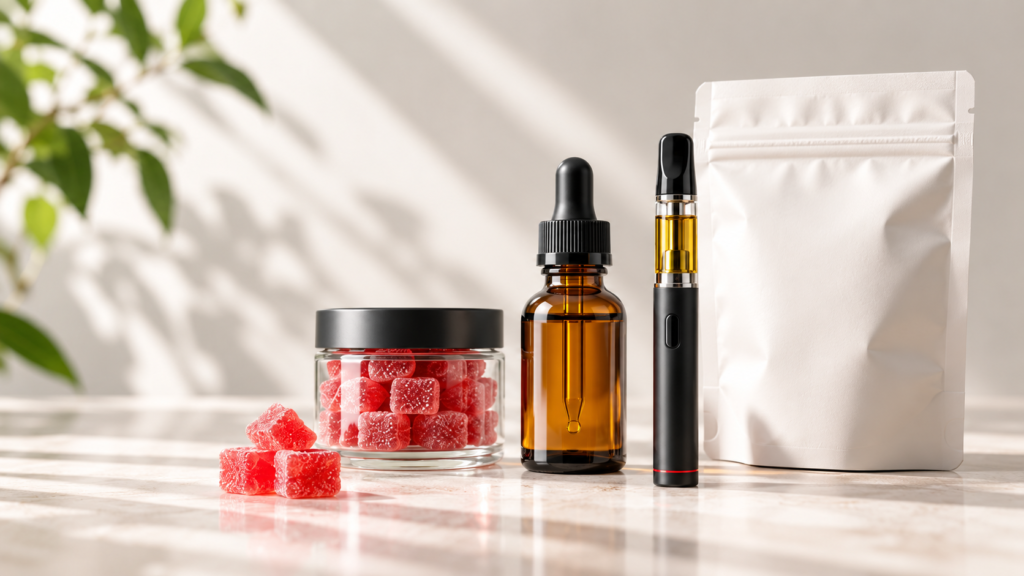
The world of hemp- and cannabis-derived goods continues to evolve fast. By 2026, one of the clearest trends is the mainstreaming of Delta-9 products into a wide variety of formats — from vapes and gummies to syrups and beverages.
In this blog, we’ll cover Delta 9 essentials, standout options for 2026, purchasing tips, and clarity on related cannabinoids like CBC.
What is Delta-9?
When people say Delta-9, they usually mean Delta 9-tetrahydrocannabinol (Delta-9 THC), which is one of the primary cannabinoids produced by the cannabis plant. Delta-9 is historically the most recognized cannabinoid and is commonly associated with traditional cannabis flower.
In recent years, a range of hemp-derived Delta-9 products — distilled or formulated to meet varying legal thresholds, has appeared across many marketplaces. These products often mimic familiar formats (gummies, cartridges, drinks) and are marketed as alternatives to smoking flower.
The product landscape in 2026 — what formats to try and why
1. Disposable vapes and cartridges
- What they are: Pre-filled disposable vape pens or refillable cartridges filled with Delta-9 distillate, live-resin blends, or terpene-forward oils.
- Key benefits: Portability, rapid onset, strain-specific terpene flavors, and discreet use. Many products specify terpene profiles and concentrations on the product page.
2. Gummies and other edibles
- What they are: Chewable edibles containing a measured milligram dose of Delta-9 (often alongside other cannabinoids).
- Key benefits: Precise dosing, long shelf life, broad flavor options, and a familiar consumer experience. Be mindful that onset and duration differ from inhalation. Product pages commonly list mg per piece and total package potency.
3. Live-resin gummies and “full-spectrum” edibles
- What they are: Edibles made with live resin or whole-plant extracts to emphasize terpene and minor-cannabinoid profiles.
- Key benefits: Enhanced flavor and a more “plant-forward” cannabinoid profile; often marketed for a fuller sensory experience.
4. Syrups and drinks
- What they are: Beverage and syrup formats that allow consumers to mix Delta-9 into drinks or consume ready-to-drink formulas.
- Key benefits: Novelty, dosing per bottle or serving, and an alternative for those who prefer not to vape or chew edibles. These products are increasingly visible on hemp-product retailer catalogs.
5. Combined cannabinoid blends (Delta-9 + HHC, Delta-9 + CBD, etc.)
- What they are: Products that intentionally combine cannabinoids (e.g., Delta-9 with HHC or CBD) to achieve a specific sensory profile.
- Key benefits: Brands’ position blends as balanced or layered experiences; check labels for mg breakdown per cannabinoid.
How to pick the best Delta-9 product for you (practical checklist)
When shopping for delta 9 products, watch for a few consistent signals of quality and transparency rather than marketing language:
- Third-party lab reports (COAs): Look for recent Certificates of Analysis showing cannabinoid content and contaminants (pesticides, heavy metals, residual solvents). Trusted brands publish lab reports linked on product pages.
- Clear potency labeling: mg per serving and mg per container should be obvious. Avoid ambiguous labels.
- Ingredient list and terpene info: Good products list ingredients and, when relevant, the terpene profile. This helps you gauge flavor and formulation.
- Reputable retailer or brand: Purchase from established hemp or cannabis retailers and brands that publish test results and contact information. Brick-and-mortar dispensaries in legal states and well-known online hemp shops are safer bets than anonymous marketplaces.
- Packaging and batch codes: Legitimate companies use batch numbers and expiration dates; those are critical for traceability.
Where to buy Delta-9: online vs dispensary vs specialty shops
Licensed dispensaries
- If you live in a jurisdiction with regulated adult-use cannabis, licensed dispensaries are the default choice. They operate under local rules, provide staff guidance, and typically test products per regulatory requirements.
Reputable online hemp retailers
- Many mainstream hemp brands list Delta-9 gummies, vapes and drinks on their own e-commerce sites. Look for retailers that: publish lab results, accept traceable payments, and have clear return/customer policies. Brands such as specialized hemp retailers often provide product filters and supporting COAs.
Specialized hemp stores & shops
- Local hemp/CBD shops that have been in business for years can be a middle ground — they usually curate brands and can point you to lab-tested products. But practices vary by shop, so confirm COAs before purchase.
What to avoid
- Avoid buying Delta-9 products from unknown sellers without COAs, from unregulated online marketplaces, or from sources that won’t disclose batch/test information. Safety and transparency matter.
Legal landscape snapshot (baseline + why things are in flux)
Two important points to understand about legality:
1. 2018 Farm Bill baseline
The 2018 Farm Bill defined hemp as cannabis and derivatives with no more than 0.3% Delta-9 THC on a dry weight basis, which opened the door to a legal hemp market. Agencies such as the USDA and federal guidance documents spell out those baseline definitions.
2. Regulatory and legislative pressure
Since that bill, the marketplace has seen proliferation of novel hemp-derived intoxicating cannabinoids (Delta-8, Delta-10, processed Delta-9 products) and regulators have responded. In 2024–2025 numerous state-level actions and federal discussions narrowed or proposed restrictions on intoxicating hemp products; the regulatory environment is actively changing and patchwork rules now exist across states and at the federal policy level. That means what’s sellable in one state may be restricted or differently regulated in another. Always check local laws before purchasing.
Will CBC get me high?
No — CBC (cannabichromene) is generally considered a non-intoxicating or non-psychoactive cannabinoid in mainstream literature; it is not associated with the typical “high” produced by THC. Early and ongoing research treats CBC as a “minor cannabinoid” with a different profile from Delta-9. If you’re asking whether CBC alone will produce intoxication comparable to Delta-9 THC, current science does not support that.
Two clarifying points:
- CBC is a distinct chemical from THC and does not typically appear in isolates at levels that produce THC-like intoxication.
- Research on cannabinoids is active and evolving; while CBC shows interesting pharmacology in controlled studies, mainstream sources and cannabinoid reviews describe it as non-psychoactive (i.e., not causing the classic THC “high”).
Top Delta-9 product picks and what makes them stand out
A. High-potency disposable vapes
- Why people buy them: convenience, flavor variety, and high cannabinoid concentrations in compact form.
- What to check: total mg listed, terpene strain labels, and COA showing cannabinoids and residual solvents (vape oils should be free from harmful solvent residues).
B. Gummies — single-dose clarity and flavor
- Why people buy them: portion control, portability, and flavor options (strawberry, blue razz, sour apple are common).
- What to check: mg Delta-9 per gummy, mg of other cannabinoids per gummy (if a blend), sugar content, and COA.
C. Delta-9 + HHC or Delta-9 + CBD blends
- Why people buy them: marketed for layered sensory profiles (not for medical claims). These blends often list mg per cannabinoid so you can see exactly what you’re consuming.
D. Syrups and ready-to-drink beverages
- Why people buy them: novelty, large serving counts per bottle, and an alternative format to traditional edibles and vapes.
- What to check: total mg per bottle, suggested serving size, and ingredient list. Many syrup product pages show flavors and servings per bottle.
Dosage and Usage Tips
Begin with 5-10mg Delta 9 for novices, waiting 1-2 hours for edibles or 15 minutes for vapes. Advanced users handle 25-150mg based on tolerance. Track servings in a journal, avoiding mixes with alcohol.
Store in cool, dark places; disposables last weeks with proper puffs. Cycle use to prevent tolerance. Sugar-free options suit keto diets.
Final Thought
As Delta-9 products continue to evolve in 2026, consumers now have access to a wide range of formats, from gummies and syrups to vapes and blended cannabinoid products. Understanding what Delta-9 is, how different products are formulated, and how compounds like CBC differ from THC helps set clear expectations and supports informed choices.
With regulations continuing to shift, purchasing from reputable sellers that provide clear labeling and third-party lab testing is essential. By prioritizing transparency, product quality, and legal awareness over marketing claims, consumers can confidently explore delta 9 products that align with their preferences in the years ahead.
More Resources
Comprehensive guide to kratom concentrates
Kratom Extract vs Powder: Deep Dive Comparison