
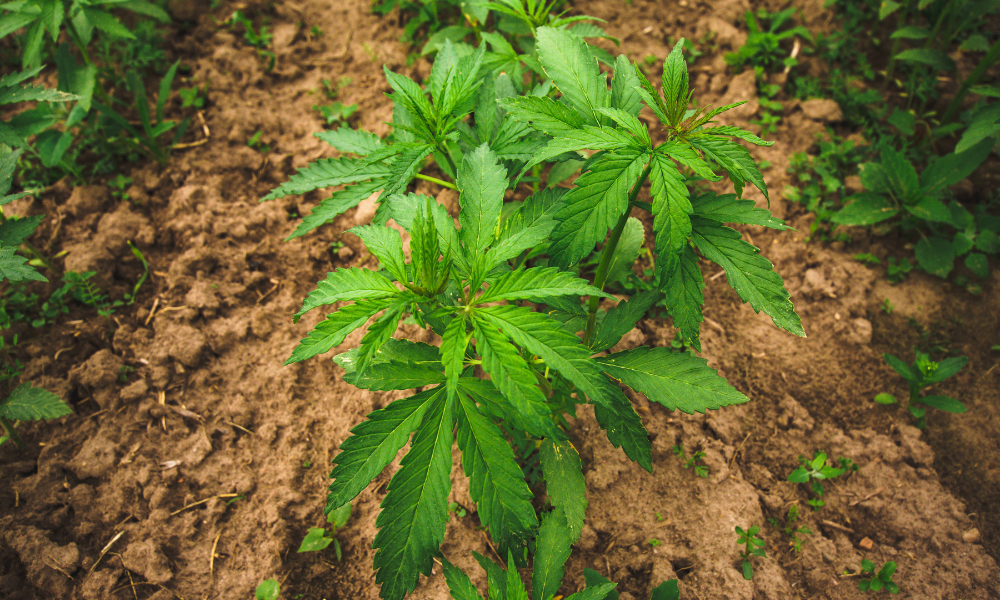
CBD and THC are the dominant Cannabis variations; however, the plant produces over 100 other cannabinoids, each with unique properties. Among the most promising but lesser-known compounds is cannabichromene. It is often called the “underdog” or “sleeping giant” of cannabinoids.
CBC has gained attention for its therapeutic benefits without the intoxicating effects of its famous relative THC. In this article, we will explain what CBC is, explore its potential benefits, and answer the critical question: Will CBC get me high?
What is Cannabichromene (CBC)?
Cannabichromene (CBC) is one of the major phytocannabinoids produced by the Cannabis plant. Similar to CBD and THC, it is derived from cannabigerolic acid (CBGA), the “mother cannabinoid.” CBGA is converted into acidic forms through enzymatic processes in the plant to make major cannabinoids. When CBGA converts to cannabichromenic acid (CBCA) and is then exposed to heat or UV light (a process called decarboxylation), it becomes active CBC.
Will CBC Get Me High?
The short and definite answer is No.
CBC will not get you high. THC binds directly to CB1 receptors in the brain to produce psychoactive effects, while CBC has a very low affinity for these receptors; therefore, CBC-dominant products do not cause euphoria, intoxication, or altered perception. CBC is an excellent option for people looking for the therapeutic benefits of Cannabis plants without the psychoactive effects. You can use CBC throughout the day without compromising on your focus and cognitive function.
Potential Benefits of CBC (Cannabichromene)
Research on CBC is still in early stages, but preliminary scientific studies and anecdotal evidence show a promising profile of cannabichromene. Most benefits of this plant are amplified by the “entourage effect, where it works synergistically with other cannabinoids and terpenes.
CBC promotes neurogenesis, which means that it has an excellent potential to support brain health; research shows that CBC encourages the viability of developing brain cells, supporting cognitive function and resilience.
CBC has powerful anti-inflammatory action, which makes it a natural option for managing conditions characterized by inflammation, such as arthritis or inflammatory bowel disease (IBD).
Research shows that CBC possesses strong anti-microbial and antifungal properties, helping the body combat certain infections.
Understanding CBC Effects in Context
To fully understand CBC and its benefits, it’s essential to understand the broader context of the Cannabis plant:
- CBC is rarely used alone; the effects are believed to be significantly improved when combined with other cannabinoids like CBD, CBG, and even trace amounts of THC.
- Effects of CBC are settled and non-impairing. If you are looking for a dramatic and immediate feeling, you might be disappointed.
- Effects of CBC are often described as supportive and contributing to an overall sense of well-being, reduced discomfort, and balance over time.
- CBC is available in various forms such as full broad-spectrum oils and tinctures, capsules for precise and convenient dosing, and topical formulations for targeting localized skin or joint tissues.
Final Thoughts
CBC represents the exciting frontier of cannabinoid science beyond THC and CBD. It is a non-intoxicating, well-tolerated compound that opens doors to wellness heaven. CBC has multiple therapeutic benefits without psychoactivity.
CBC aims to support brain health, fight inflammation, and elevate the effects of other cannabinoids. It is a valuable addition to your wellness routine. While more tests and trials are needed, the existing research is highly promising.
Also, see: